
My Roof Looks Fine and Has No Leaks — So Why Does Insurance Want It Replaced?
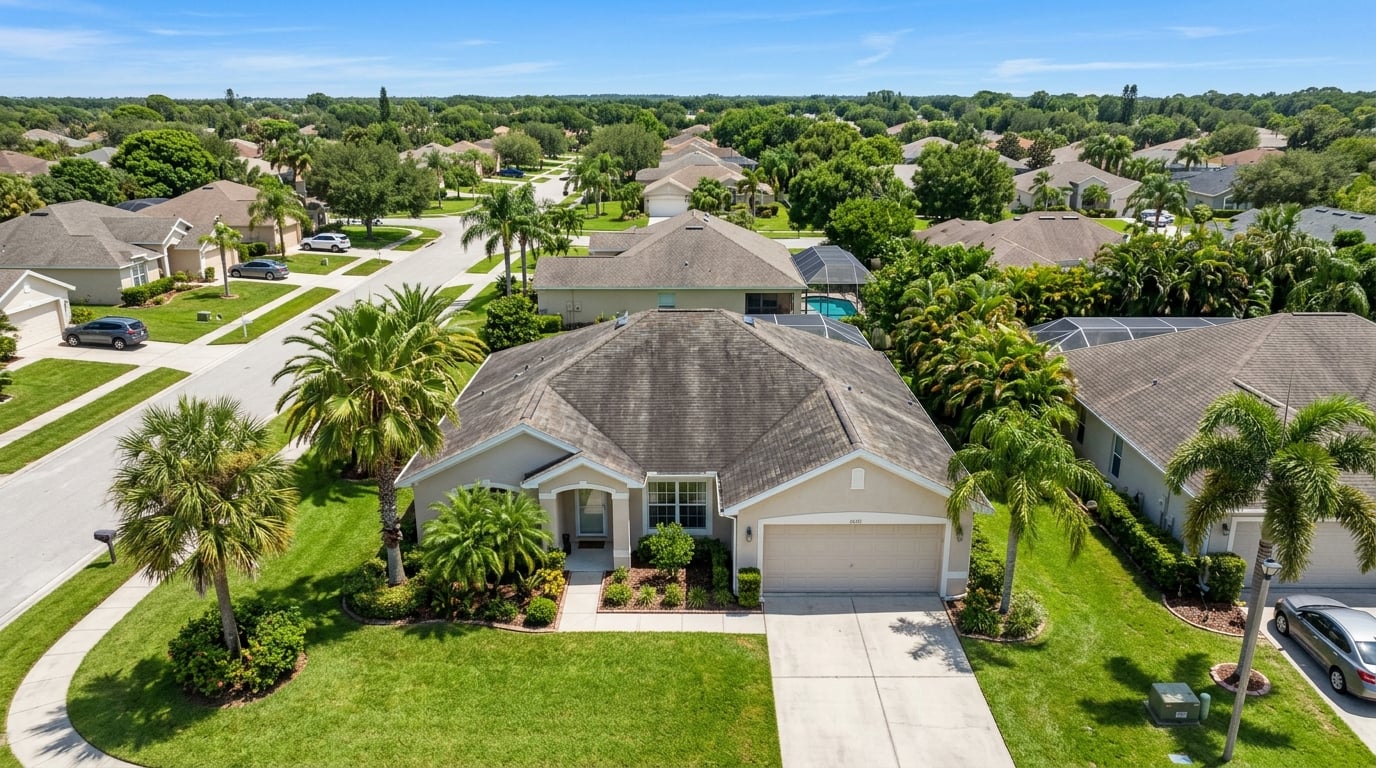
In Florida, your insurer often isn't looking at whether your roof leaks. They're looking at how old it is — and that changes everything.
15 yrs
When many insurers start asking questions
5 yrs
Remaining life that can keep your policy
ACV
How older roofs often get paid out
The Frustrating Truth: Condition and Insurability Are Two Different Things
You walked your property. No stains on the ceiling, no missing shingles, no drips during the last storm. By every common-sense measure, your roof is doing its job. So when a renewal notice or a new insurer says “replace the roof or we won't cover you,” it feels completely unfair.
Here's what's really happening: your insurance company is not grading your roof the way you are. You're asking “does it work today?” They're asking “what is the risk this roof fails during the policy period, and what will it cost us?” Those are very different questions — and in Florida's insurance market, age often answers the second one before anyone climbs a ladder.
The core idea
A roof that looks fine can still be considered “high risk” on paper. Underwriters price the probability of a future claim, not the absence of a current leak.
The 4 Real Reasons Insurers Push for Replacement
1. Age-based underwriting rules
Many Florida carriers simply won't write or renew a policy on an asphalt-shingle roof past a certain age — often 15 to 20 years — regardless of how it looks. It's a blanket rule baked into their guidelines, not a judgment about your specific shingles.
2. Remaining useful life, not current leaks
A shingle roof rated for 25–30 years loses granules, flexibility, and wind resistance long before it leaks. Underwriters care about how many storm seasons are left — a roof with only 2–3 years of life is a claim waiting to happen in their model.
3. Actual Cash Value (ACV) exposure
Once a roof crosses a certain age, some policies switch from Replacement Cost to Actual Cash Value — meaning depreciation is subtracted from any payout. Insurers would rather you replace it now than manage that thorny claim later.
4. A single flagged inspection photo
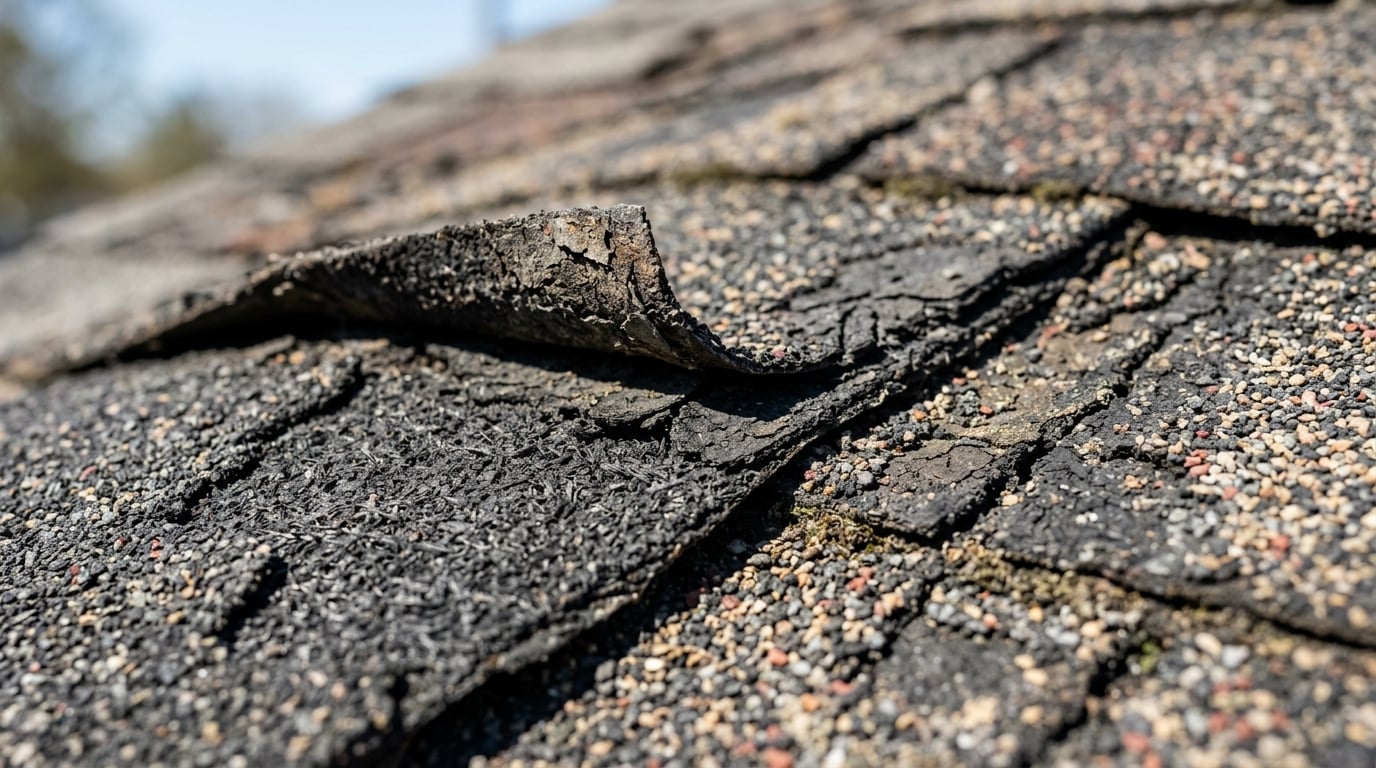
Carrier-ordered aerial or drone photos can flag minor issues — a little algae, a lifted tab, worn granules — that trigger an automatic replacement demand, even when there's zero interior damage.
How a Shingle Roof Looks to an Underwriter as It Ages
Your roof can be perfectly functional across this entire timeline. What changes is how easy it is to insure at a good rate — illustrated below (general market patterns, not a specific carrier's rule).
Bar length = relative ease of getting a competitive policy. Actual thresholds vary by carrier and roof material (tile and metal age very differently).
Good News: Florida Law Gives You a Way to Fight Back
In 2022, Florida passed reforms (Senate Bill 4-D) addressing exactly this frustration. In general terms, an insurer cannot refuse to issue or renew a homeowner policy solely because a roof is older than 15 years if you provide an inspection showing the roof has at least 5 years of remaining useful life.
What this means for you
If your roof genuinely has life left, a documented roof condition inspection can be your strongest tool to keep coverage without spending $15,000–$30,000 on a replacement you may not need yet.
Laws and carrier guidelines change, and every policy is different. This is general information — not legal advice. For how the rules apply to your exact situation, talk with your insurance agent and, where a dispute is involved, a licensed public adjuster or attorney. What we can do is give you the credible, documented inspection those conversations depend on.
Your Step-by-Step Game Plan
Read the exact wording of the notice
Does it demand replacement, or ask for proof of remaining life? Those lead to very different next steps.
Get a documented roof condition inspection
A licensed inspector can document material, age indicators, and estimated remaining useful life in a report your insurer will actually accept.
Add a wind mitigation inspection
Even if the roof stays, wind mitigation credits can offset premium increases and prove your roof's storm resilience.
Submit documentation promptly
Deadlines on renewal notices are real. Send your report and any roofing permits before the cutoff.
Escalate the right way if denied
If they still won't budge and you believe they're wrong, that's when a licensed public adjuster or attorney enters the picture.