
Citizens Dropped Me — My Policy Was ‘Taken Out’ by Another Company. Now What?
That letter isn't quite a cancellation, and it isn't quite a renewal. It's a Florida process called “takeout” — and you have more say in it than you might think.
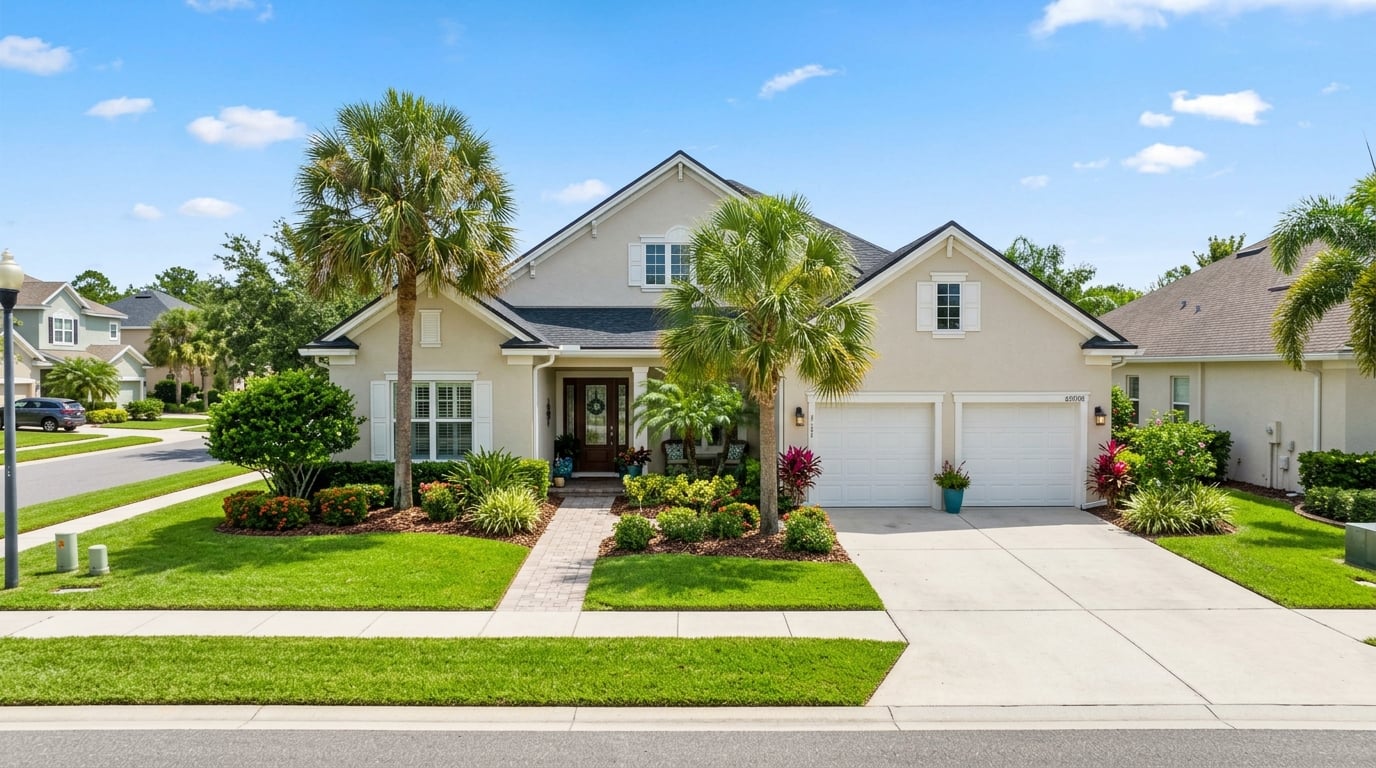
Takeout
A private insurer assumes your policy
You choose
Accept, opt out, or shop around
Deadline
Your window to decide is limited
What ‘Takeout’ Actually Means
Citizens Property Insurance is Florida's state-backed “insurer of last resort.” By law, it's supposed to shrink whenever private companies are willing to take on its policies. That shrinking process is called depopulation, and when a private insurer offers to assume your specific policy, that's a “takeout” (sometimes called an “assumption”).
So your policy wasn't really “dropped.” A private carrier said, in effect, “we'll insure this home instead of Citizens.” Whether that's good or bad for you depends entirely on the new premium and terms — which is why the letter matters so much.
Don't ignore the letter
Takeout notices come with response deadlines. If you do nothing, the default outcome (often automatic transfer to the private insurer) can happen on its own. Read it carefully and note the date.
Your Three Basic Options
1. Accept the takeout
If the private insurer's premium is comparable or lower and the coverage is solid, moving off Citizens is often a fine outcome — private policies can offer broader coverage.
2. Opt out and stay with Citizens (if eligible)
Florida rules generally let you decline a takeout and remain with Citizens only if the private offer is more than a set percentage above Citizens' premium. Otherwise you may be required to move.
3. Shop the open market
The takeout offer is just one option. An independent agent may find a better private policy elsewhere. Use the takeout as a benchmark, not a mandate.
The exact opt-out rules and percentage thresholds are set by Florida regulation and can change. Confirm the current rules and your specific eligibility with your agent or Citizens directly — this article is general information, not insurance or legal advice.
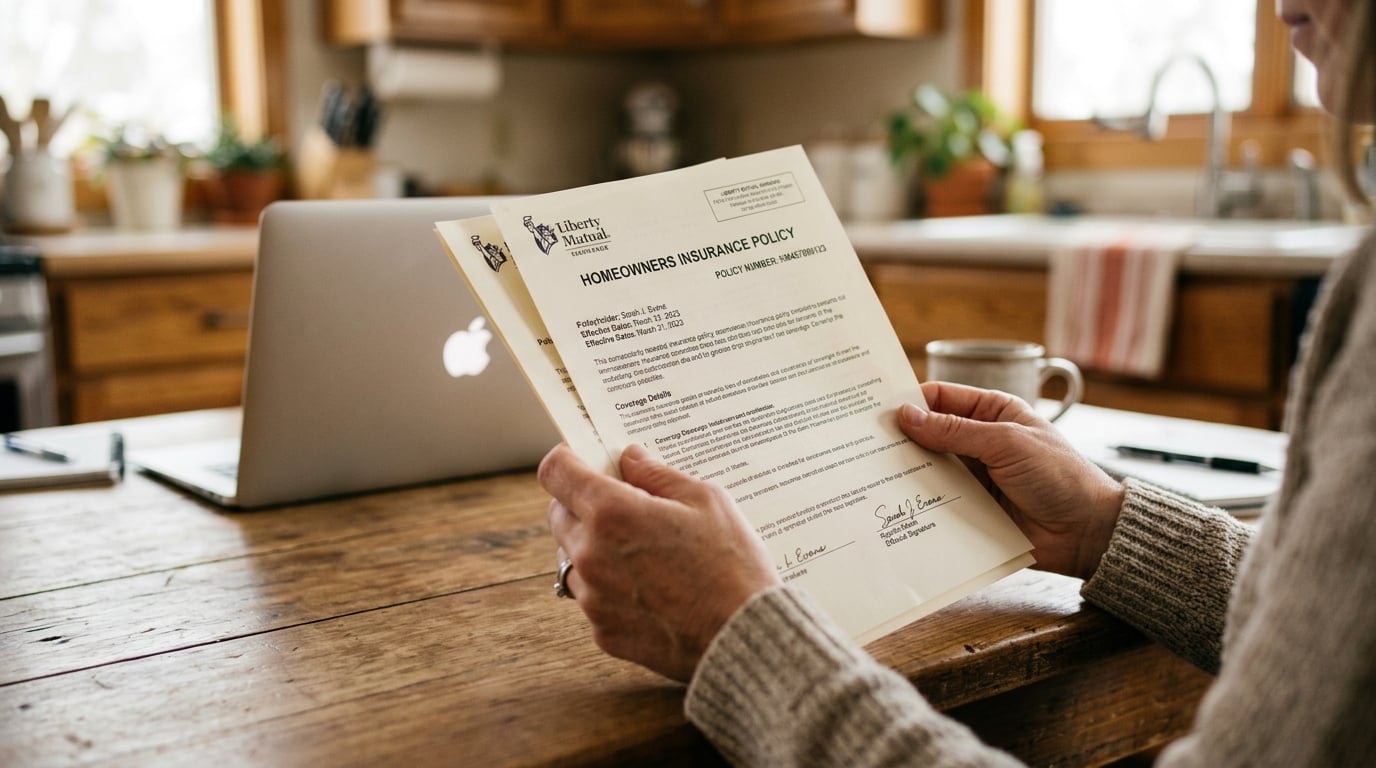
How To Make Sure Your New Premium Is Fair
Here's where a lot of homeowners overpay: a new insurer will price your policy based on what they know about your home. If they don't have your wind mitigation and inspection documentation, they'll often assume the worst and charge accordingly.
Have a current wind mitigation report ready
Your new carrier needs proof of hurricane straps, roof attachment, and opening protection to apply the discounts you've earned.
Have a roof condition / 4-point inspection on hand
New private insurers frequently require these before they'll finalize coverage on an older home.
Compare apples to apples
Check deductibles (especially hurricane), coverage limits, and exclusions — not just the headline premium.
Act before the deadline
Gather your documents now so you're not scrambling when the response window closes.
The bottom line
Whether you accept the takeout or shop around, up-to-date inspection documentation is your leverage. It's the difference between a fair, discounted premium and an inflated “we-don't-know-so-we'll-assume-the-worst” rate.