
My Insurer Made Me Get a Wind Mitigation — Then Sent Their Own Inspector. What's Going On?
You paid for the inspection they asked for. Then a stranger with a clipboard shows up from the insurance company. It's confusing — but it's usually routine.
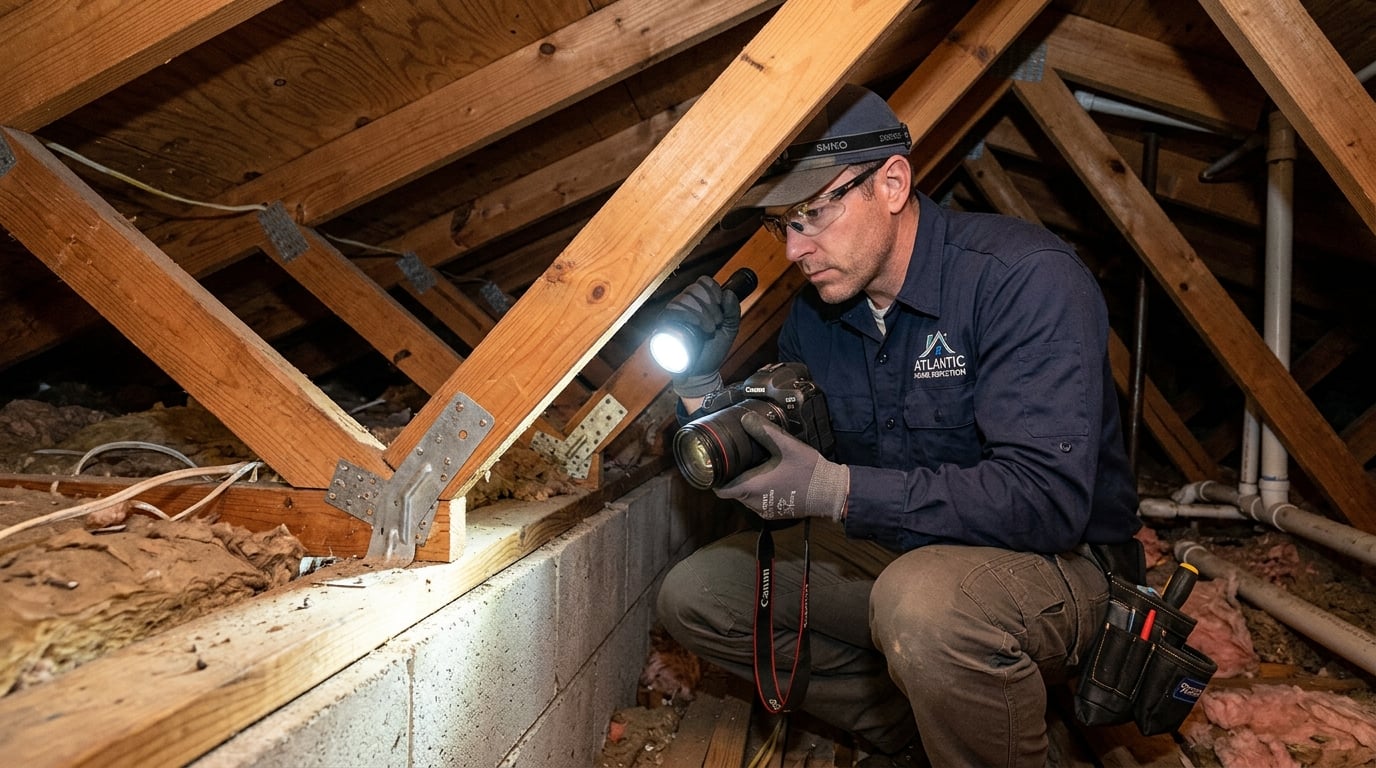
Normal
A carrier re-inspection is common
Verify
They're confirming, not attacking
Match
Good reports agree with each other
First: This Is Usually a Good Sign, Not a Red Flag
Take a breath. When an insurer sends its own inspector after you've already submitted a wind mitigation report, it typically means one of two harmless things: they're verifying the discounts before applying them, or they run random quality-control re-inspections as standard practice. Neither means you did anything wrong.
Wind mitigation credits can knock hundreds or thousands off a premium, so carriers have a strong incentive to confirm those features really exist before they hand over the discount. Sending a field inspector is simply how they check.
The key takeaway
If your original inspection was done correctly by a licensed inspector, the carrier's re-inspection should confirm it. Problems only arise when the two reports disagree — which usually traces back to a rushed or unqualified first inspection.
Why Carriers Order Their Own Inspection
Verifying discount-worthy features
Hurricane straps, opening protection, and roof deck attachment directly lower your premium — so they confirm before crediting.
Routine quality control
Many carriers re-inspect a random percentage of policies to keep their books accurate. Your name may have simply come up.
Aerial or drone flags
An overhead image may have raised a question about the roof that they want a person to check in detail.
New policy or reinstatement
Onboarding a new home, or one being taken out of Citizens, often triggers a fresh field inspection.
Two Inspections, Two Jobs
| Your inspection | Carrier's inspection | |
|---|---|---|
| Who pays | You | The insurer |
| Purpose | Document features to earn credits | Verify those features before applying credits |
| Who chooses the inspector | You do | The carrier does |
| Ideal outcome | Both reports say the same thing | |
How To Protect Yourself
Use a licensed, thorough inspector the first time
The single best defense against a contradictory re-inspection is an accurate original report on the proper OIR-B1-1802 form.
Keep your copy and all photos
If the carrier's inspector misses a feature, your documented report is your evidence to dispute it.
Give both inspectors the same access
Clear attic access and permit paperwork help the carrier's inspector see everything yours did.
If they disagree, ask why — in writing
You can request the carrier's report and challenge specific findings, backed by your own documentation.
This is general guidance, not legal advice. If a re-inspection wrongly strips credits and the carrier won't correct it, a licensed public adjuster can help you push back.