
My Inspector Gave My Roof ‘5 More Years’ — What That Really Means for Your Insurance
It sounds like a casual estimate. In Florida, that single number can be the difference between keeping your policy and being forced into a $20,000 roof replacement.
5 yrs
The magic minimum for many insurers
Estimate
Not a guarantee — a professional judgment
Documented
Only counts if it's in a real report
What ‘5 More Years’ Actually Means
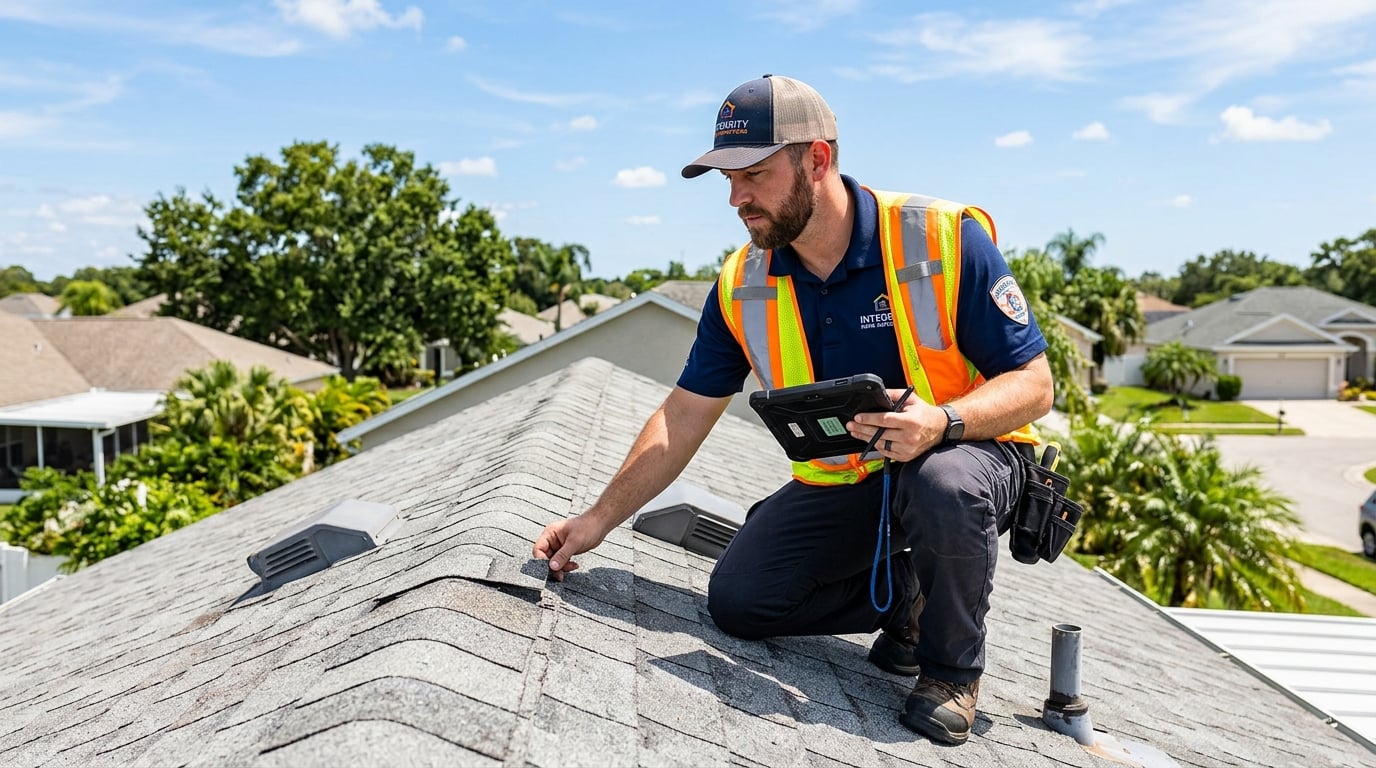
When a licensed inspector estimates your roof has “about 5 more years,” they're giving you a remaining useful life (RUL) estimate — a professional judgment of how much longer the roof should keep doing its job before it needs replacement. It's based on real evidence: the material, its age, granule loss, flashing condition, ventilation, prior repairs, and overall wear.
It is not a promise that the roof will fail on day one of year six, and it's not a warranty. It's an informed, evidence-based projection — the same kind of assessment insurers rely on to decide whether to keep covering your home.
Why the number 5 keeps coming up
Under Florida's 2022 reforms, insurers generally can't refuse to renew a policy solely because a roof is over 15 years old if an inspection shows at least 5 years of remaining useful life. That's why “5 years” is the threshold everyone talks about.
How Inspectors Arrive at the Number
A credible RUL estimate isn't a gut feeling. Here's what goes into it:
Material & installation type
3-tab vs. architectural shingle, tile, or metal — each ages on a very different curve.
Documented age
Permits and prior reports pin down when the roof was actually installed.
Surface wear
Granule loss, curling, cracking, blistering, and exposed mat all shorten the estimate.
Flashing & penetrations
Condition around vents, valleys, and chimneys — common early failure points.
Ventilation & prior repairs
Poor attic ventilation and patchwork fixes accelerate aging.
What To Do With Your ‘5 Years’
Get it in writing
A verbal “looks like 5 years” helps nobody. Insurers need a signed, dated report with photos and the inspector's license number.
Submit it to your insurer promptly
If they flagged your roof's age, this report is often exactly what keeps your policy in force.
Start planning, not panicking
Five years is real runway. Budget for a future replacement while enjoying the coverage you have now.
Re-inspect before it expires
Roofs sometimes outlast their estimate. A fresh inspection later can extend the runway again.
Common Misunderstandings
As always, this is general information rather than legal or insurance advice — your carrier's exact rules and Florida law can change. For how it applies to your policy, check with your agent, and for disputes, a licensed public adjuster or attorney.